STORIES
CONTEMPORARY
A new haven for biodiversity, where life is reborn
Ite Wetlands, Peru
We remediated the former mine waste deposit that had formed along the shores of Ite Bay
We created an aquatic ecosystem to support environmental mitigation and biodiversity conservation.
We promote development opportunities for the Ite community.
About the Wetlands
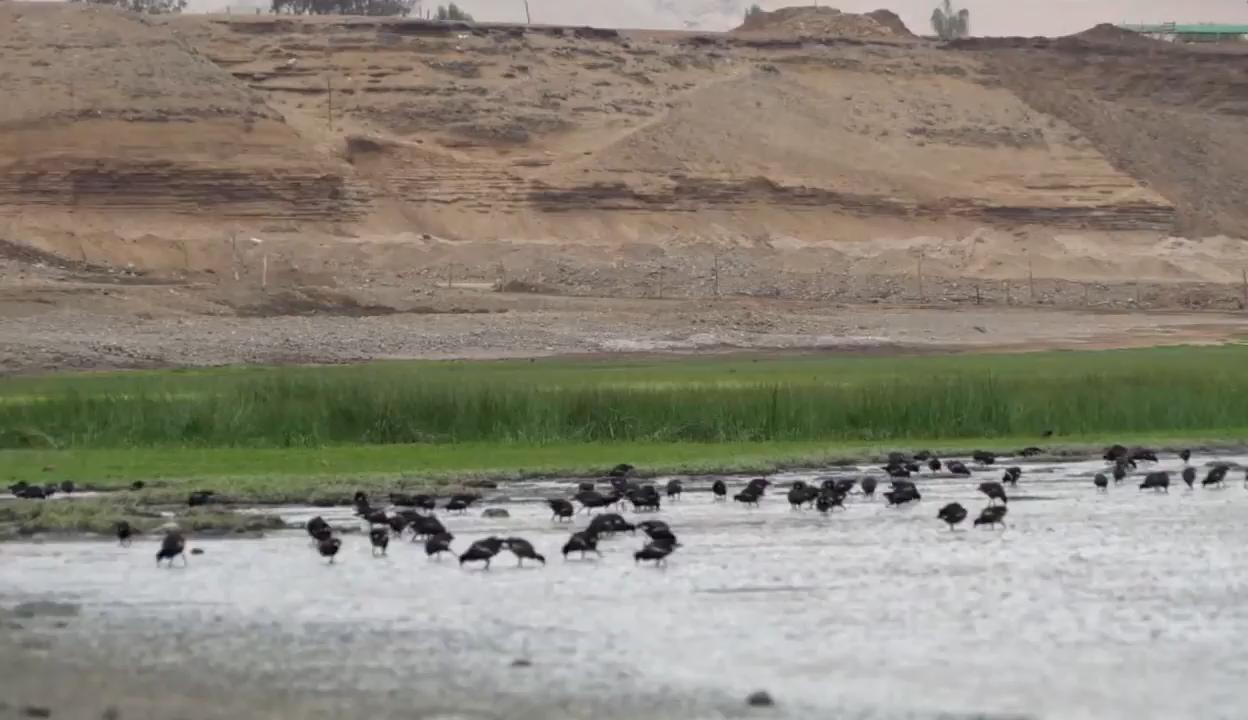
Every year, braving winds, vast distances, and unfamiliar skies, a group of flamingos (locally known as parihuanas) embarks on an extraordinary journey in search of refuge, their destination is the Ite Wetlands on Peru’s southern coast. After weeks of tireless flight, they descend upon a living landscape where water and vegetation intertwine to offer rest, food, and protection. At that moment, this place becomes more than a stop along their journey—it becomes a sanctuary.
The Ite coastal wetland has become the largest in the country. It is part of a comprehensive strategy led by Grupo México and its subsidiary, Southern Peru, to preserve its biodiversity and the ecosystem services it provides, as well as to reduce the local community’s vulnerability to the effects of climate change.
Spanning 1,466 hectares, this area includes a diverse range of habitats where grasslands, floating plants, reeds, cattails, and expansive bodies of water coexist. Thousands of birds live here year-round, while thousands more visit the area, including threatened species that find favorable conditions for survival. They are not alone: the wetland is also home to fish, amphibians, frogs and toads, foxes, ferrets, small mammals, insects, reptiles, and countless invertebrates that form part of a delicate natural balance.
The wetlands´ importance has been recognized by the KBA Partnership, which has designated the site as a Key Biodiversity Area, and by the BirdLife International Partnership, wich recognizes it as an important Bird and Biodiversity Area (IBA). As the birds resume their journey, this ecosystem remains a powerful example of how collaboration and a long-term vision can transform the environment and open new pathways for life.
Testimonials

The wetlands are a natural laboratory that has allowed me to understand the reproductive ecology of resident birds and the migration patterns of birds from the Northern Hemisphere and southern South America. I have studied their birdlife and witnessed their evolution into an important habitat for waterbirds.”
Johnson Klever Vizcarra
Wildlife Researcher
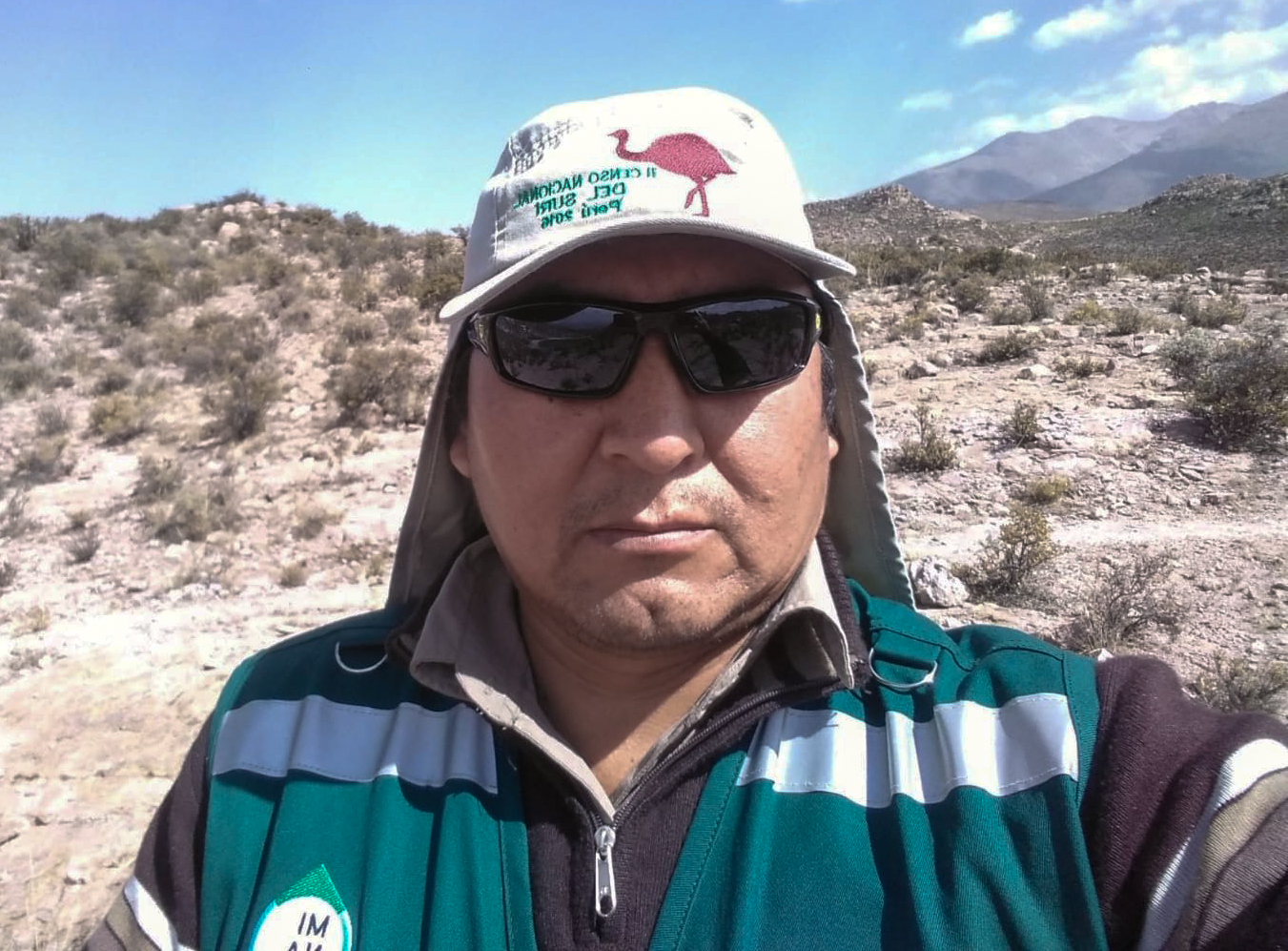
These tailings ultimately formed an artificial soil that, over the years, enabled the wetlands to develop. Plants, birds, and fish inhabit this ecosystem either permanently or seasonally, with more than 160 species recorded.”
Noribal Zegarra Alvarado
Dean of the School of Engineering, Universidad Privada de Tacna
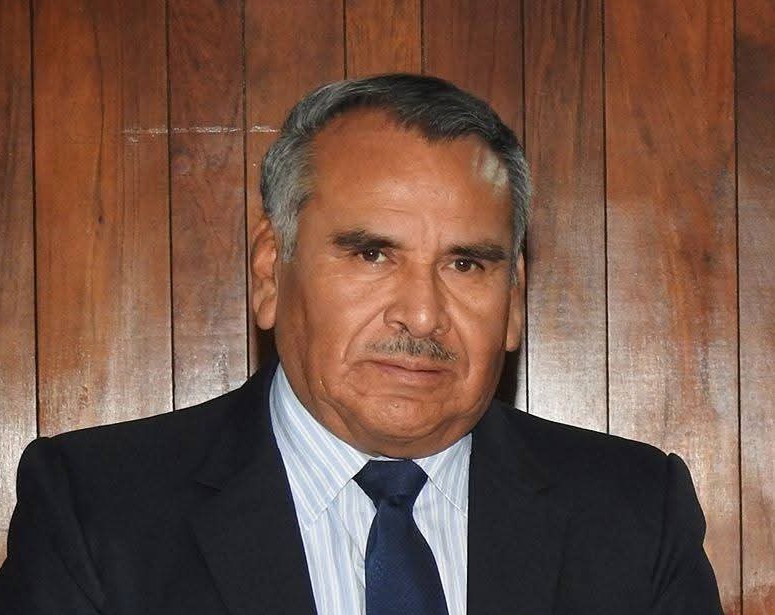
Ite is the largest wetland in Peru and today, it is an oasis of biodiversity. Twenty years ago, it was a barren and desolate landscape. Over the past two decades, the company that now operates the Southern Copper mine has invested time, money, energy, and resources to transform this barren landscape into a thriving ecosystem.”
Rohitesh Dhawan
President and CEO of the International Council on Mining and Metals (ICMM)

The Ite Wetlands are considered one of the Seven Wonders of the Tacna region and have been declared an area of interest for the conservation of flora and fauna by regional and local authorities.”
Dario Oviedo Calderón
Director of Environmental Services at Southern Peru
History:
1960
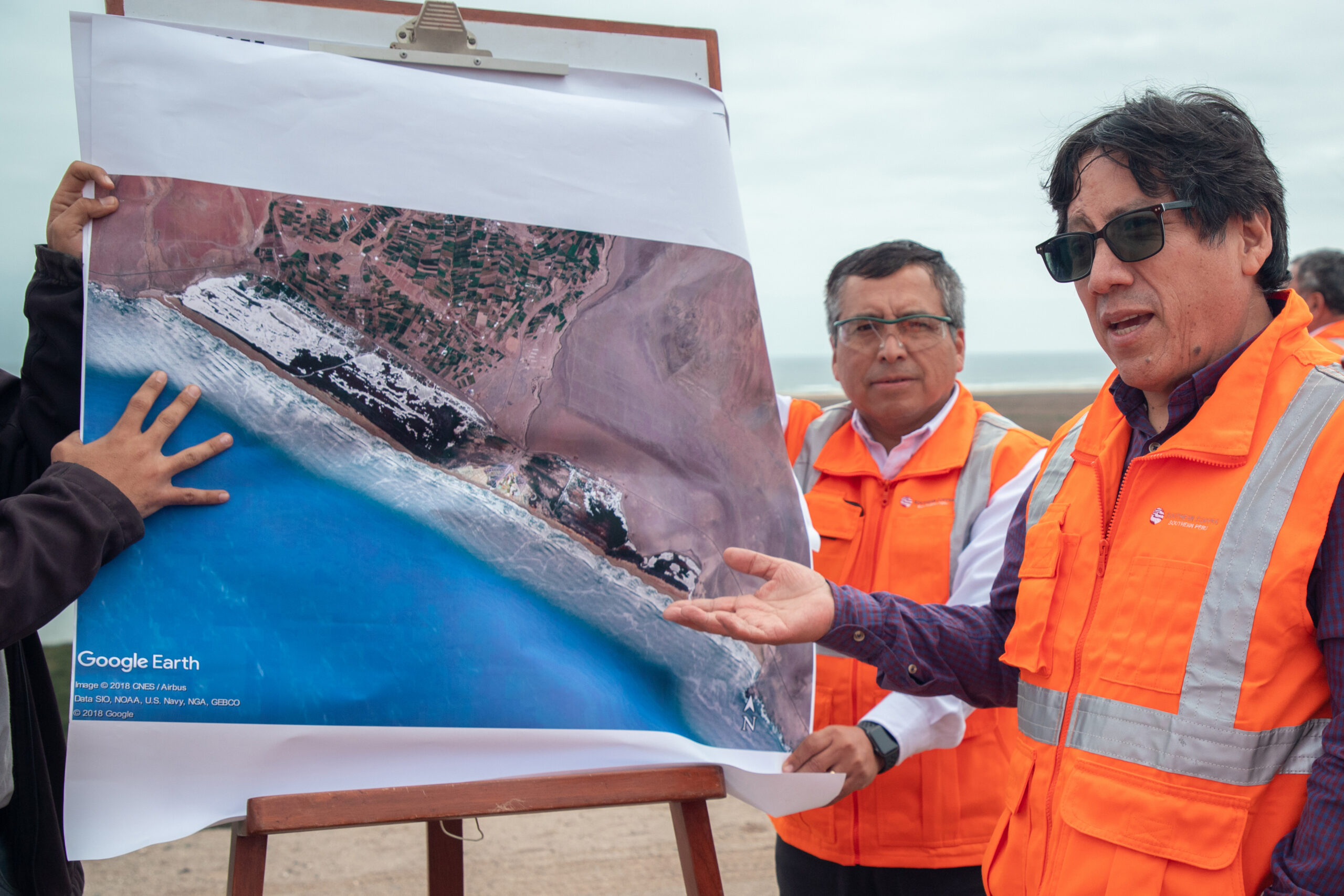
The mine waste deposit in Ite Bay began to form when the disposal of this type of material at sea was a practice permitted internationally. These tailings came from the Toquepala and Cuajone mine concentrators and were transported through natural channels before being discharged into the sea. Tidal action caused them to accumulate and spread across approximately 1,600 hectares of Ite Bay.
1996
The discharge of mine waste into the sea was permanently discontinued following the approval of the Environmental Adaptation and Management Program (PAMA) and the construction of the Quebrada Honda Dam, which stores the waste on land using the best available practices for its safe disposal.
Hoy
Remediation and maintenance work continues to physically and chemically stabilize the land, contain water, and restore vegetation. These efforts have transformed the extensive mine waste deposit into an important 1,466-hectare coastal wetland.
The site has a Management Plan that guides its conservation, research, and community engagement strategies. It is supported by a multidisciplinary team that works year-round to care for the wetland, carrying out activities ranging from heavy machinery operations and local labor to scientific, laboratory, and research work conducted by specialized professionals.
1,466
hectares of new coastal wetland
1,466
hectares of new coastal wetland
150
bird species recorded
150
bird species recorded
2.58%
of Peru’s 57,285.04 hectares of coastal wetlands corresponds to this wetland
2.58%
of Peru’s 57,285.04 hectares of coastal wetlands corresponds to this wetland
89
resident species and more than 61 migratory species
89
resident species and more than 61 migratory species
15,000
and 55,000 birds inhabit the wetlands, depending on the year and season
15,000
and 55,000 birds inhabit the wetlands, depending on the year and season
12
kilometers of coastline
12
kilometers of coastline
Much More Than a Wetland
An Ally in Addressing Climate Change
The Ite Wetlands serve as an important carbon sink. The wetland’s vegetation, plant roots, and sediments naturally capture and store atmospheric carbon dioxide (CO₂) for long periods, helping to reduce the greenhouse effect.
Conserving Biodiversity
The wetlands support rich biodiversity by providing habitats for numerous wildlife species. They also help stabilize the microclimate and protect the coastline, reducing degradation caused by wind, waves, and erosion.
Creating Opportunities for Communities
Although this is not their primary purpose, the wetlands can provide essential resources that create opportunities for local communities, such as plant fibers for handicrafts, as well as diverse wildlife and habitats for researchers and nature enthusiasts to observe. The wetlands also serve as a natural barrier against storms and unusual wave events by reducing wave energy and protecting coastal communities. In addition, they provide spaces for environmental education and the study of nature through activities such as guided tours.